


Need professional help with addiction?
Addiction Recovery & Detox FAQs
Drug & Substance Abuse FAQs
Table of Contents
- What Makes Raleigh an Ideal City for Sober Travelers
- Top Sober-Friendly Activities In Raleigh
- Planning a Successful Sober Vacation in Raleigh
- Staying Connected to Sobriety While Traveling
- Handling Common Triggers While Traveling
- Sample Day of Being Sober in Raleigh
- Information About Recovery Resources Available for Visitors
- Conclusion
Key Points
- Raleigh has many walking communities, parks, and museums that are easily accessible for sober travel in Raleigh.
- There are recovery meetings, health studios, and non-drinking activities available all over the city that visitors can attend during their stay.
- The key to planning a well-rounded sober vacation is to plan your itinerary prior to arriving in Raleigh (such as accommodations, food, activities).
- Greenway trails and state parks offer opportunities for healthy outdoor recreational experiences that fit perfectly within a recovery-focused trip to Raleigh.
- Airport, restaurant environments, and other social pressures associated with drinking can be avoided or minimized by developing some new habits.
- We have included a sample itinerary and a resource guide to help you get started with planning your own sober retreat in Raleigh.
Raleigh offers many things that will allow you to have fun sober. Whether you’re visiting for leisure, continuing your addiction recovery journey after substance use disorders, or simply exploring a sober-curious lifestyle, the city offers parks, museums, coffee shops, and recovery meetings that make it easy to enjoy an alcohol-free trip. There are also many groups and meetings available throughout the city if needed.
What Makes Raleigh an Ideal City for Sober Travelers
The downtown areas of Glenwood South and Fayetteville Street have plenty of space for walking. This makes it easy to move between restaurants, shops, and other points of interest without relying on nightlife to fill the time. Raleigh has one of the biggest municipal parks in the United States, which provides dozens of opportunities to hike and/or ride bikes.
Because many of the attractions and events that occur within Raleigh allow families (and children) to be included, there is a large arts and culture component that includes gallery walks as well as outdoor sculpture gardens. In addition, the wellness aspect of Raleigh is prominent as well, with multiple yoga studios, spas, and meditation centers located within almost every neighborhood, and many coffee houses provide an outlet for sitting, reading, or catching up with friends. Access to meetings is readily available for those traveling for recovery purposes.[1]
There are plenty of year-round outdoor recreational activities that make this destination exciting regardless of what time of the year you travel. Some worthwhile destinations that are worth planning your trip around include:
- Dorothea Dix Park
- William B. Umstead State Park
- North Carolina Museum of Art
- Pullen Park
- North Carolina Museum of Natural Sciences
Top Sober-Friendly Activities In Raleigh
Explore Raleigh’s Parks & Greenways
Green space has been shown through extensive study at Stanford University to decrease rumination and reduce anxiety. These attributes make Raleigh’s parks an excellent addition to your trip as a relaxing, functional tool — not simply a visual backdrop.[2]
William B. Umstead State Park has numerous miles of shaded, wooded trail systems for hiking and biking. Dorothea Dix Park near downtown offers open grassy areas along with stunning views of the city skyline. It is one of the most popular places to take a morning stroll. Lake Johnson Park surrounds a body of water, offering a peaceful, flat path for walking. Additionally, the Neuse River Greenway Trail spans miles and connects multiple neighborhoods, so adding a walk or bike ride is relatively easy to fit into nearly all days of your stay.
Visit Museums and Cultural Attractions
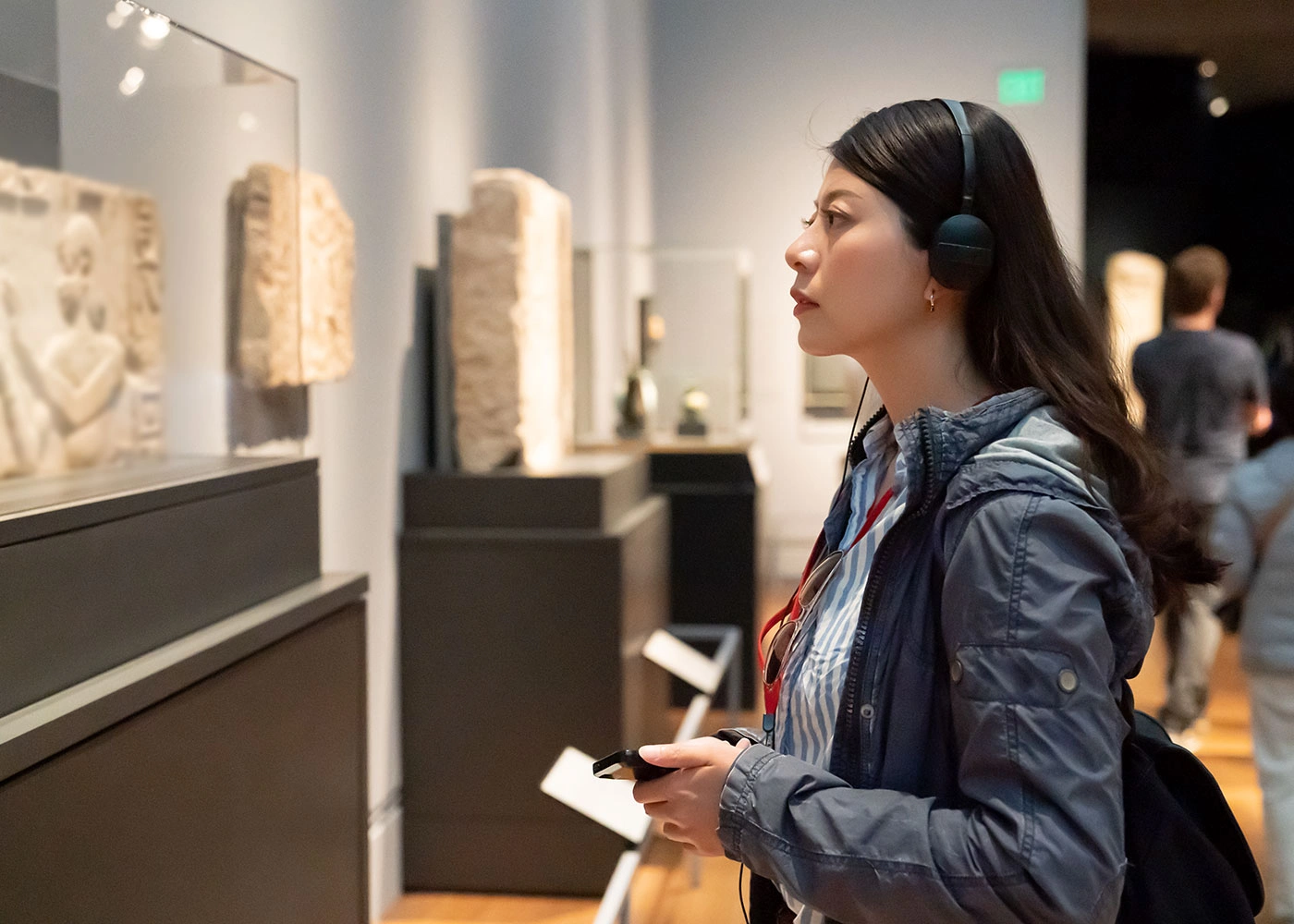
Travelers need a low-pressure activity to enjoy, and visiting museums allows them to do this easily. There is an art museum and two history/science museums that have many interesting exhibits that would appeal to individuals traveling alone, traveling with family, or traveling with friends. All three of these institutions have relatively small crowds compared to larger cities. Many of these activities are either free or very inexpensive. As such, they will provide a much-needed reprieve from overwhelming sights and sounds you experience while traveling.

Relax at Local Coffee Houses
Raleigh has a real coffee culture, and its cafes are common gathering locations where people come together to socialize and read, write, or journal. A leisurely morning spent enjoying a cup of coffee and writing in a journal may be an effective way to begin your day grounded. There are a number of local favorites (Jubala Coffee, Slingshot Coffee Co.) to consider, but there are hundreds of independent coffee houses located throughout the City that you can explore individually.
Participate in Live Music Festivals and Community Events
Not everything happening in Raleigh involves drinking. Throughout the year, Raleigh hosts a variety of community-based events (art festivals, farmers markets, outdoor concerts), some of which are created specifically as family-oriented, daytime events. By checking the local events calendar prior to your arrival, you will be able to identify events that match your recovery goals as opposed to those centered upon a nightlife or /bar atmosphere.
Incorporate Wellness into Your Trip
Wellness can certainly be included in your Raleigh sober vacation. Fitness and yoga studios are abundant in Raleigh and offer classes that can be taken on a drop-in basis by visitors. Spas can be used to create an opportunity for relaxation and rejuvenation. Walking tours offer an alternative way to view the city while moving slowly. Lastly, the JC Raulston Arboretum is an area surrounded by nature that offers opportunities for contemplation and mindfulness.
Planning a Successful Sober Vacation in Raleigh
Selecting Where You Stay in Raleigh
Where you stay will determine how much of your trip is successful. Consider hotels or rentals that are located in neighborhoods with little to no nightlife. Having fitness amenities in your accommodations provides an easy way for you to remain active. Having access to kitchens in your accommodations allows you to prepare meals when you want a break from dining at restaurants. Having public transportation and ridesharing options close by will also reduce unnecessary stress on your trip.
Create an Itinerary Prior to Arriving
Unstructured time can work against a recovery-focused trip, especially during early recovery, when maintaining routine and avoiding unnecessary triggers are particularly important.[3] Creating activities before you arrive, even loosely, helps you avoid long periods of downtime, which may lead to boredom or restlessness. Planning meal times helps keep your days feeling predictable. Plan your route between destinations ahead of time. This will save time and prevent last-minute decision fatigue.
Travel With Support People
If you have others going with you on your trip, choose people who understand and respect your recovery goals. Accountability matters, and knowing there is someone checking in with you throughout your trip will make a difference. Talk about your boundaries before you leave (not during the trip), which will give everyone a clear understanding of what the visit will look like.
Staying Connected to Sobriety While Traveling
Traveling and maintaining sobriety may be challenging for individuals recovering from drug and alcohol addiction; however, there are steps you can take to stay on track throughout your trip.
Find Local Recovery Meetings
First, locate local recovery meetings in the area you will be visiting.[4] Raleigh’s recovery community is thriving and has meetings available throughout the city. There are several types of meetings available, including 12-step meetings such as AA (Alcoholics Anonymous) and NA (Narcotics Anonymous), as well as SMART Recovery, Refuge Recovery, and Celebrate Recovery. If you want to easily find a meeting near you at a particular time, use the Meeting Guide app. Many of the local recovery groups have meeting lists available online as well. If you are unable to attend an in-person meeting due to scheduling conflicts, virtual meetings provide a good alternative.
Stay Connected With Your Support Network
In addition to attending local meetings, make sure to stay connected with those who support your recovery. Sponsors, recovery groups, and sober friends can provide valuable peer support while you’re away from home. A phone call to your sponsor or sending a message to someone in your recovery group can go far when you are away from home. In addition to connecting with friends in your recovery group, family calls can also help connect you to others. Telehealth provides a convenient way to continue with your therapist when you travel.
Bring Recovery Into Your Daily Routine
Lastly, incorporate some familiar routines into your daily activities while traveling.[5] Habits such as morning meditation, exercise, journaling, and gratitude can strengthen the life skills that support long-term recovery while helping you stay grounded during your trip. Additionally, reading about recovery and practicing mindfulness through prayer or reflection can give you a feeling of being connected regardless of where you are.
Handling Common Triggers While Traveling
Social Pressure
The social pressure of drinking while traveling can be difficult, but most people will accept “No thanks” as a complete response.[6] Additionally, a quick change of subject with something else to do (i.e., get some coffee) may also provide a good exit strategy from the situation.
Airports and Flights
During long air travel days, dehydration can occur quickly. It is helpful to stay hydrated by bringing a water bottle to fill before boarding or buying one at the airport. Bringing snacks on board such as fruit or granola bars can help sustain energy levels. Finally, listening to podcasts designed to aid in relaxation prior to departure can make the flight easier to handle and less stressful. Avoid areas of the airport where there are likely to be bars as you enter the terminal to minimize exposure to alcohol advertising and temptation.
Restaurants
As far as dining out during your travels, most restaurants now have at least one or two non-boozy beverage options. You need not explain why you’re not ordering an alcoholic beverage. Focus on enjoying your meal and the company around you instead of reviewing the drinks list. Choosing restaurants versus going out to clubs or night spots after dinner provides another convenient way to avoid potential issues.
Sample Day of Being Sober in Raleigh
Morning: Start your morning off right with breakfast at a local coffee shop. Then go on a stroll through Dix Park.
Late Morning: Next, visit the Museum of Natural Sciences. Plan to spend about an hour or two there.
Lunch: Grab lunch at a local cafe. Eat a relaxed, easy meal at midday.
Afternoon: Check out the North Carolina Museum of Art. Also, consider going for a hike along some of their trails.
Evening: Finally, head to a local recovery group meeting. Finish up your day with dinner and a beautiful walk as the sun sets.
Information About Recovery Resources Available for Visitors
Recovery Meetings
- Alcoholics Anonymous (AA)
- Narcotics Anonymous (NA)
- Refuge Recovery
- SMART Recovery (in-person and virtually)
Crisis Resources
- Suicide and Crisis Lifeline: 988
- SAMHSA National Helpline: 1-800-662-4357
Recovery Apps
- Meeting Guide
- I Am Sober
- Sober Grid
Calling on any of the above resources prior to your arrival will allow you to create a list of places you could go for recovery meetings or other types of support before you even get here.
Conclusion
Your travel plans do not need to be halted by recovery. Whether you’re continuing your journey after detox, completing treatment, or simply embracing a sober life, Raleigh offers countless opportunities to enjoy nature, wellness, local culture, and supportive recovery resources without alcohol. In addition to providing opportunities for outside activities such as hiking, biking, and exploring nature, Raleigh provides many venues for you to experience local art, wellness programs, and connect with other people who share similar interests that are free from substance use. By doing some planning and finding support through local recovery programs, it will allow you to plan a fun and rewarding sober trip to Raleigh.
Frequently Asked Questions About Sober Travel in Raleigh
Sources
[1][4] Recovery and support. (2026, June 25). SAMHSA. https://www.samhsa.gov/substance-use/recovery
[2] Bratman, G. N., Hamilton, J. P., Hahn, K. S., Daily, G. C., & Gross, J. J. (2015). Nature experience reduces rumination and subgenual prefrontal cortex activation. Proceedings of the National Academy of Sciences, 112(28), 8567–8572. https://doi.org/10.1073/pnas.1510459112
[3][5] National Institute on Drug Abuse (NIDA). (2020, July 6). Treatment and recovery. National Institute on Drug Abuse. https://nida.nih.gov/publications/drugs-brains-behavior-science-addiction/treatment-recovery
[6] Building your Drink Refusal skills | Rethinking Drinking | NIAAA. (n.d.). https://rethinkingdrinking.niaaa.nih.gov/tools/worksheets-more/building-your-drink-refusal-skills
New Waters Recovery Editorial GUIDELINES
At New Waters Recovery, we take your health and wellness seriously. We have a thorough process in place to ensure the integrity of information that is displayed on our website. All content published to our site undergoes a rigorous medical review by a doctorate level clinician to ensure medical accuracy. Read More About Our Process