



Need professional help with addiction?
Addiction Recovery & Detox FAQs
Drug & Substance Abuse FAQs
Table of Contents
Key Points
- Cotton fever is a short-term flu-like reaction that can occur after injecting a substance filtered through cotton
- Symptoms typically include sudden fever, chills, myalgias, joint pains, nausea, fatigue, tachycardia, and shortness of breath
- Researchers believe cotton fever is caused by bacterial endotoxins, often linked to Pantoea agglomerans, entering the bloodstream during injection
- Cotton fever itself is generally self-limiting, but its symptoms can closely resemble life-threatening conditions such as sepsis, bacteremia, or endocarditis
- Most cases resolve within 24 hours, though persistent symptoms warrant evaluation for a different underlying cause
- Treatment is supportive, including rest, hydration, and fever management, with medical evaluation needed if a true infection is suspected
What Is Cotton Fever?
Cotton fever is an acute febrile reaction (flu-like illness) that occurs immediately after injecting a substance that has passed through a cotton filter (cotton ball or cigarette filter), or a cotton plug (to remove particulate matter from the substance).
Studies suggest that this reaction is due to a bacterial agent present on cotton fiber. Most commonly, this is identified as Pantoea agglomerans (previously referred to as Enterobacter agglomerans).[1]
Cotton fever is generally considered a noninfectious inflammatory reaction. However, its symptoms can be nearly indistinguishable from bacteremia, sepsis, endocarditis, and other serious infections, so these conditions must be ruled out. Although it is generally considered to be self-limiting (it resolves on its own), a closer examination is needed to ensure the symptoms are not indicative of another potential serious infection. For people who inject drugs frequently, symptoms can mimic other serious conditions, including, but not limited to, sepsis, bacteremia, or endocarditis.[2]
Why Does Cotton Fever Happen?
Although the exact reason for cotton fever remains unknown, current evidence suggests that endotoxin from the bacteria is introduced into the body via the needle, causing the body to react similarly to any invasive foreign agent. The body develops an inflammatory response resulting in a high fever, chills, myalgias and joint pains, nausea, fatigue, tachycardia, or shortness of breath, among other symptoms. [3]
Given that intravenous drug use poses a greater risk for infection compared to other forms of drug use due to bypassing the body’s natural defense mechanisms, it follows that cotton filtering represents yet another means by which bacteria or debris can enter the body.[4] As stated earlier, symptoms typically appear rapidly following injection, providing a critical clue that distinguishes cotton fever from other infections, which tend to evolve at a much slower pace.

Common Cotton Fever Symptoms
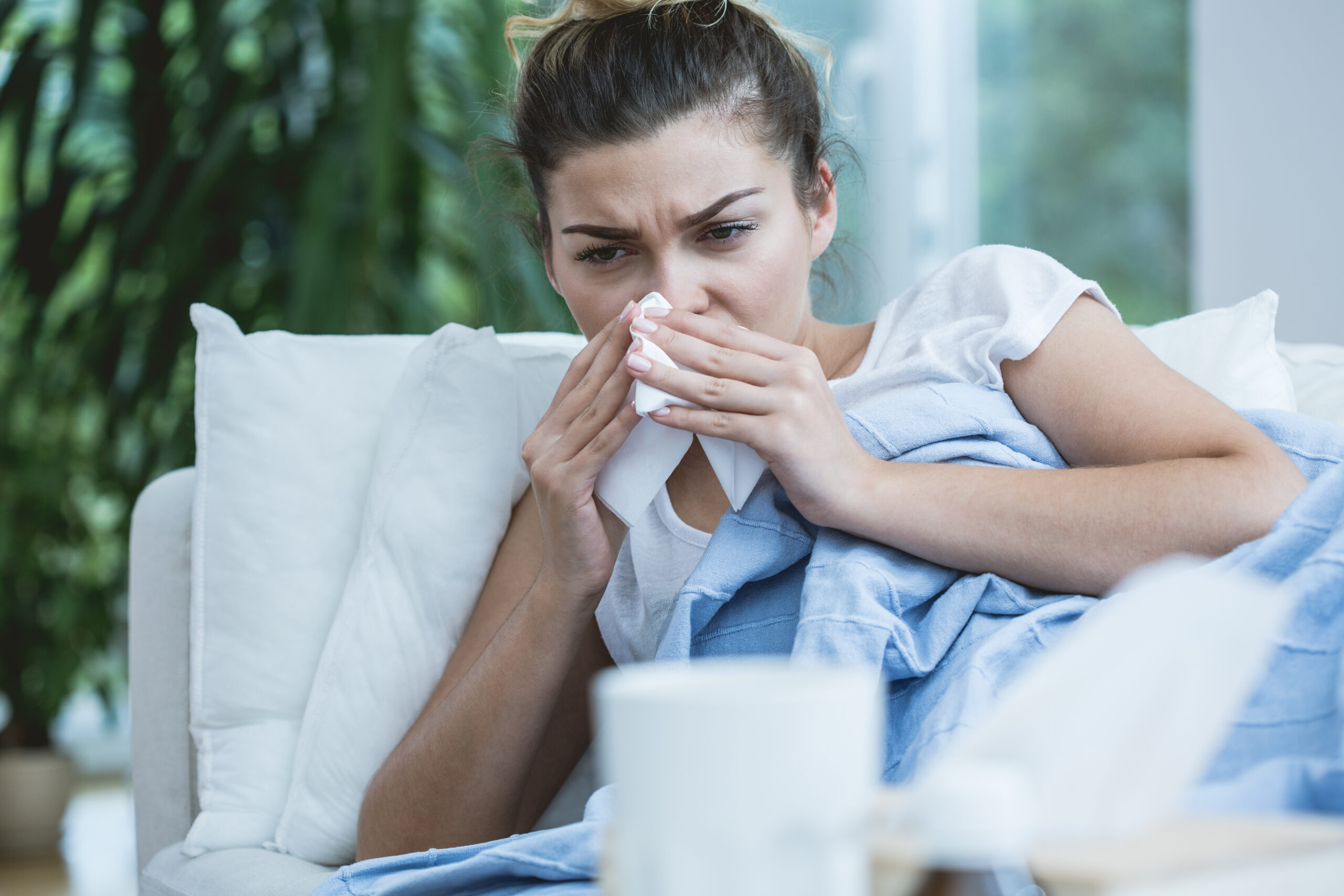
Common symptoms of cotton fever are flu-like and are characterized by:[5]
- Sudden fever
- Chills or shaking
- Headaches
- Muscle or myalgic pains and joint pains
- Nausea
- Fatigue
- Rapid heartbeat (tachycardia)
- Difficulty catching your breath (shortness of breath)
- General feeling of illness
Abdominal pain has been reported in some patients experiencing an episode of cotton fever. Because symptoms of cotton fever can resemble those of other illnesses and conditions (including infections), health care providers examine vital signs and conduct investigations to exclude alternative explanations before making a definitive conclusion about the origin of the patient’s symptoms.
When Do Cotton Fever Symptoms Start?
Typically, symptoms of cotton fever occur within 20-30 minutes post-injection.[6] The rapid appearance of symptoms can indicate whether a patient’s fever is related to cotton fever. Conversely, a sudden onset of fever or symptoms following injection does not guarantee that the symptoms are related to cotton fever. Serious infections (such as sepsis, bacteremia, or endocarditis) can also produce a rapid onset of fever or symptoms in patients who inject drugs.
What Causes Cotton Fever?
Cotton fever results from the body’s inflammatory response to bacterial endotoxins introduced during injection, frequently associated with cotton filters utilized to separate particulate matter from substances injected intravenously. Historically, the relationship between cotton fever and injection drug use has primarily been attributed to the utilization of cotton balls, filters, or cigarette filters to filter particulate matter from solutions intended for intravenous administration.
While research has focused on identifying the specific cause(s) of cotton fever, it remains under investigation. Studies have described observed patterns in individuals using intravenous drugs and established cotton fever as a distinct clinical entity. [7]
Cotton fever cannot be definitively diagnosed via laboratory testing. It can be diagnosed in an emergency department or clinical environment by evaluating the presenting symptomatology and excluding other potential explanations for symptoms (e.g., blood cultures to identify a bacterial infection).[8]
Can You Die from Cotton Fever?
Most patients who experience cotton fever recover completely without further complications. Unfortunately, however, the symptoms experienced during episodes of cotton fever are very similar to those associated with potentially life-threatening conditions (sepsis, bacteremia, or infective endocarditis).
Specifically, sepsis, bacteremia, and infective endocarditis are all potentially serious infectious diseases that require immediate medical intervention.[9] Any post-injection fever warrants attention from a physician rather than simply being dismissed as “cotton fever”.
Warning signs that indicate an urgent visit to a healthcare facility include:[10]
- Persistent high-grade fever not improving
- Confusion or disorientation
- Weakness
- Chest pain
- Trouble breathing
- Persistence or worsening of symptoms longer than anticipated.
Prompt evaluation by a medical professional should be pursued if any of these symptoms occur. Avoidance of unnecessary delay prior to seeking medical assistance significantly reduces the likelihood of a manageable condition evolving into a life-threatening disease process.
Duration of Cotton Fever
Symptoms typically resolve within 24 to 48 hours for most individuals experiencing an episode of cotton fever.[11] Some individuals have reportedly experienced longer symptom durations. Any continued presence or persistence of symptoms beyond this duration warrants further evaluation by a healthcare provider, as it may indicate an alternate infection versus cotton fever alone.
When Does Cotton Fever Sometimes Last Longer?
As previously mentioned, the body’s immune response varies greatly from one individual to another, which contributes to varying lengths of symptom resolution. On occasion, what initially appeared to be an extended episode of cotton fever ultimately proves to be caused by an abscess at the site of previous injections or a systemic infection requiring medical treatment. Extended duration of symptoms warrants additional evaluation beyond simply labeling them as “cotton fever.”
Treatment Solutions for Cotton Fever
Since there is currently no medication available to treat cotton fever specifically, supportive care represents the primary approach to managing symptoms. Supportive care includes:
- Rest and hydration
- Monitoring of vital signs and symptoms over the subsequent hours
- Use of antipyretics (fever reducers) as appropriate for symptom management
- Blood culture, white blood cell count assessment, and antibiotic treatment if infection is suspected.
Many patients who utilize intravenous drugs experience episodes of cotton fever during their lifetime without understanding what occurred in their body. An adverse reaction like this can represent an opportunity for patients to reflect upon past decisions relative to their safety, health status, and costs incurred as a direct result of continued drug use both physically and emotionally.
Additional resources for those desiring alternatives to continued drug use include:
- Medical Detoxification (provides safe management of withdrawal)
- Substance Abuse Treatment Programs (addresses underlying issues contributing to substance abuse)
- Behavioral Therapy (provides skills-building training in developing healthier methods for dealing with stressors)
- Ongoing Support Systems (helps maintain recovery and mental health)
It is generally understood that addressing the underlying pattern(s) of substance abuse provides the greatest chance for sustained success in recovering from addiction.
Practical Harm Reduction Strategies
While abstinence from drugs is clearly the safest method of avoiding exposure to various health-related dangers associated with drug use, harm reduction strategies acknowledge that individuals are at differing levels of readiness to pursue abstinence.
Obtaining medical evaluation or treatment for any adverse reactions occurring post-injection rather than merely attributing symptoms to “cotton fever” avoids delaying treatment for more serious concerns. Finally, connecting with healthcare professionals and addiction treatment resources, even merely asking questions, represents a positive initial step towards minimizing risk factors. New Waters Recovery is an addiction treatment center in North Carolina available to help you through the recovery journey. Contact us today for a consultation and to begin healing.
Frequently Asked Questions About Cotton Fever
Sources
[1][3][5][8] Geedipally, H., Karki, S., Shirke, S., & Bhimani, R. (2022). Just a bad case of cotton fever: A case report and literature review. Cureus, 14(8), e28352. https://pmc.ncbi.nlm.nih.gov/articles/PMC9506875/
[2] Harrison, D. W., & Walls, R. M. (1990). “Cotton fever”: A benign febrile syndrome in intravenous drug abusers. The Journal of Emergency Medicine, 8(2), 135–139. https://www.sciencedirect.com/science/article/abs/pii/073646799090222H
[4] Centers for Disease Control and Prevention. (2026). Infectious diseases in persons who inject drugs. https://www.cdc.gov/persons-who-inject-drugs/about/index.html
[6][11] Xie, Y., Pope, B. A., & Hunter, A. J. (2016). Cotton fever: Does the patient know best? Journal of General Internal Medicine, 31(4), 442–444. https://link.springer.com/article/10.1007/s11606-015-3424-1
[7] Shragg, T. (1978). “Cotton fever” in narcotic addicts. JACEP, 7(7), 279–280. https://www.sciencedirect.com/science/article/abs/pii/S0361112478803396?via%3Dihub
[9][10] Centers for Disease Control and Prevention. (2026). About sepsis. https://www.cdc.gov/sepsis/about/
New Waters Recovery Editorial GUIDELINES
At New Waters Recovery, we take your health and wellness seriously. We have a thorough process in place to ensure the integrity of information that is displayed on our website. All content published to our site undergoes a rigorous medical review by a doctorate level clinician to ensure medical accuracy. Read More About Our Process