



Need professional help with addiction?
Addiction Recovery & Detox FAQs
Drug & Substance Abuse FAQs
Table of Contents
Key Points
- The turnaround time for drug tests can differ greatly depending upon factors such as the method used to test the sample, the substance(s) tested for, and whether the initial screening test needs to be confirmed.
- Urine drug testing is the most commonly used method and can return a negative result within minutes on-site. Lab-based urine drug testing typically takes one to three business days.
- Hair follicle testing can detect substances dating back 90 days, but samples typically take two to three business days or more to return from a lab.
- False positives from a prescription or over-the-counter medication can trigger a confirmatory test and can significantly extend the time it takes to get results.
- Pre-hire drug test turnaround times are usually governed by company policy, federal regulation, or Department of Transportation (DOT) requirements.
- If drug testing is a concern because of ongoing substance use, confidential and professional support is available.
Whether you are getting ready to take a pre-employment drug test, find yourself subject to a random drug test at work, or are required to be tested as part of a legal process or healthcare requirement, a common question you want answered is how long the drug testing process will take.
The time it will take to get drug-testing results is dependent on a variety of factors, including the type of testing method used, the specific drugs being tested for, and whether a confirmatory test is needed from a positive initial test result. This guide breaks down what to expect at each stage.
Drug Test Turnaround Times and Detection Windows at a Glance
| Testing Method | Turnaround Time (Negative) | Turnaround Time (Confirmed Positive) | Detection Window |
| Urine (on-site) | Minutes | 1–3 business days (sent to lab) | Days to weeks |
| Urine (lab-based) | 1–3 business days | 3–6 business days | Days to weeks |
| Saliva/Swab (on-site) | 5–10 minutes | 1–2 business days (sent to lab) | 24–72 hours |
| Blood | 1–2 business days | 1–2 business days | Hours to days |
| Hair Follicle | 2–3 business days | 2–3+ business days | Up to 90 days |
Types of Drug Tests and Their Turnaround Times
Different testing methods detect different substances over different detection windows, and each comes with its own typical turnaround time. Let’s take a closer look at some of the most common types of tests.
Urine Drug Tests
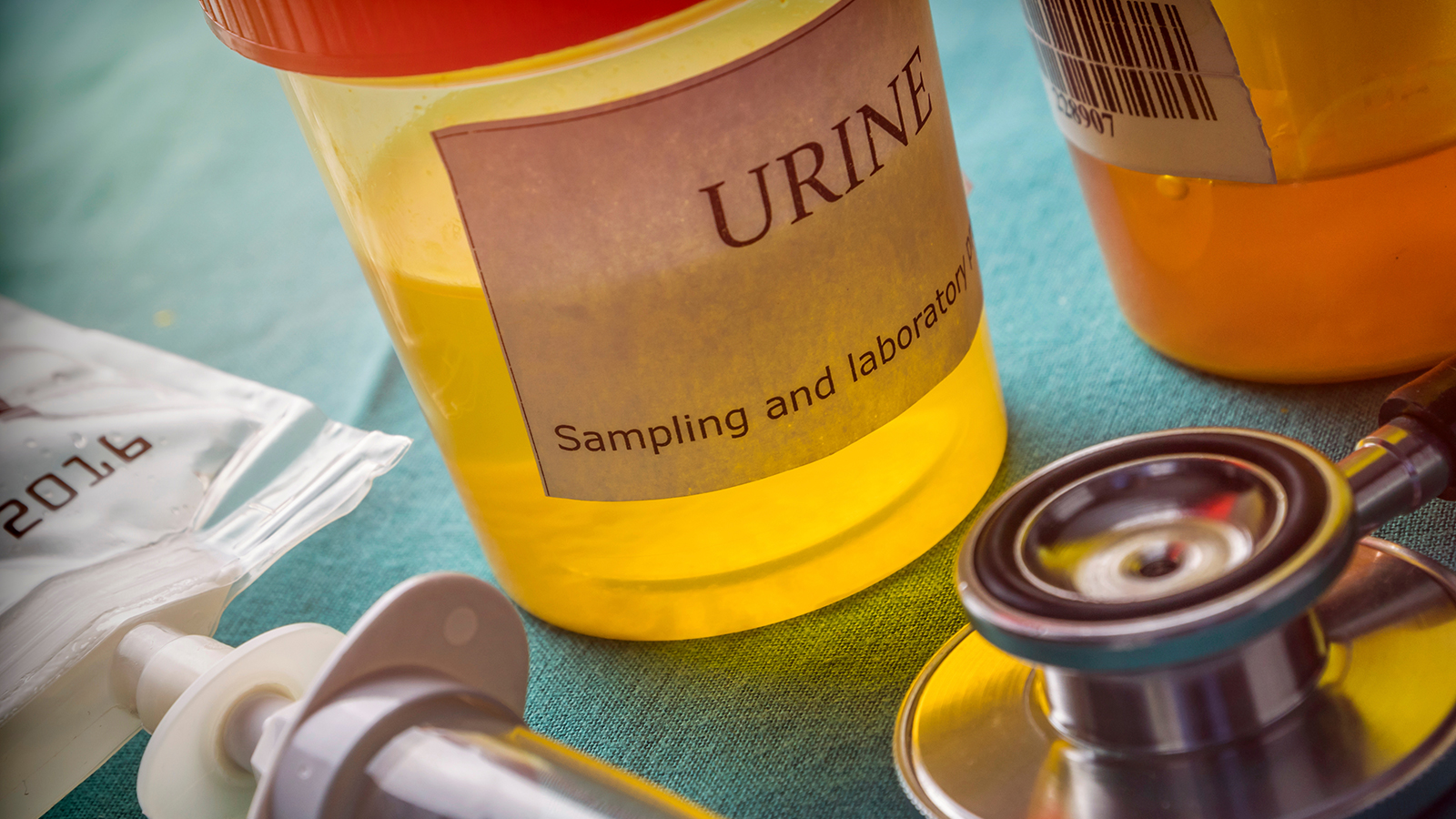
Urine tests, also known as urine drug screens, are by far the most commonly used method for workplace screening, pre-employment screenings, and in clinical settings. The urine test measures metabolites, which the body produces as it breaks down drugs, from a urine sample.
Generally, negative on-site urine test results can be obtained within minutes, since they are typically performed using immunoassay test strips, which provide a visual reading and return to the site prior to the results of any confirmatory lab test. However, any positive result that initially was tested on-site must be sent to a certified laboratory for confirmation. Testing is done by using gas chromatography-mass spectrometry (GC-MS)—which is the SAMHSA-validated gold standard for confirmation—and an additional turnaround time of one to three days may be necessary in order to report the final result.[1]
A standard urine drug screen will detect the following common drugs:
- Cannabinoids (THC): These are detectable for 3 to 30 days, depending upon the frequency of use.
- Amphetamines and methamphetamine: These are typically detectable for one to three days.
- Opiates and opioids: This includes substances like codeine, oxycodone, and methadone, which are detectable for one to four days, depending upon the specific drug.
- Benzodiazepines: These can be detected for one to seven days for short-acting types, or up to 30 days for long-acting types.
- Cocaine Metabolites: These are detectable for two to four days.
- Phencyclidine (PCP): This substance is detectable for 7 to 14 days.
- Barbiturates: These are detectable for one to three weeks, depending upon the specific drug.
Hair Follicle Tests
Hair testing has the longest metabolite retention period of any of the standard methods of drug screening.[2] Because drug metabolites can be incorporated into the hair shaft during the hair’s growth process, a hair follicle drug test can detect a substance dating back approximately 90 days. A standard length hair sample (1.5 inches long, which is equivalent to approximately three months of growth) will provide the laboratory with enough to conduct a hair drug test.
The disadvantage to performing hair drug testing is the turnaround time for the laboratories to test the samples, which averages two to three business days. Hair drug test results are not performed regularly for pre-employment purposes, but are sometimes required as part of a legal proceeding, a custody hearing, or a specialized employer testing program.
Saliva Tests
Saliva tests, also called swab tests, are performed by collecting a sample from inside a person’s cheek or just under the tongue. Saliva tests are valued because they are convenient, non-invasive, and have the ability to detect very recent drug use.
An on-site saliva test can yield negative results in approximately 5 to 10 minutes. However, a saliva test will typically require confirmation from a laboratory for any positive tests, which takes one to two business days. The detection windows for saliva tests are generally shorter than those provided by urine tests and typically fall between 24 and 48 hours for most substances, although with chronic users of THC, the detection windows may last up to 72 hours.
Blood Tests
Blood tests are the most accurate method available for determining if drug use has recently occurred, and can determine the exact level of drugs present in a person’s body at the time of the test.
However, they are also the most invasive form of drug testing and the most expensive. Blood testing also has shorter detection times than urine tests or hair tests.
Laboratory results of blood tests can take approximately one to two business days to receive. Blood testing is most commonly used in medical facilities, during accident investigations, and in legal situations rather than routine employment screenings.
What Factors Affect Drug Test Turnaround Time?
There are many situations that can affect how long it takes to receive drug test results beyond just the estimated timelines of the method used:
Below are some of the most common:
Positive vs. Negative Results
Negative test results are usually provided quicker because there is no requirement for confirmatory testing. When a positive test result occurs,more rigorous confirmation testing in the laboratory is needed, which can add several days to the timeline.
False Positives
There are many prescription and over-the-counter medicines that may produce a false-positive test on the initial screening immunoassay.[3] For example, some antihistamines may produce a false positive test result for amphetamines, or some prescription medications may flag for opiates or benzodiazepines.
If the potential exists for a positive test to have been inaccurate, a Medical Review Officer (MRO), who is a licensed physician, will call the person and review all existing legitimate prescriptions to determine if they are responsible for the result. The review times of the MRO may take anywhere from one to several days before reporting the results.
Lab Volume and Location
The amount of time it takes for a sample to reach the testing laboratory, as well as the lab’s workload, may cause variations in turnaround time. If a laboratory is extremely busy or processing a large number of pre-employment drug tests, the turnaround time will likely reflect that high demand.
DOT and Federal Testing Requirements
Drug testing by the Department of Transportation (DOT) or federal laws must comply with rigid protocols that may affect timing. DOT-regulated drug testing applies to employees holding safety-sensitive positions, such as truck drivers and pilots, within various industries like trucking, aviation, and railways. These tests must use SAMHSA-certified laboratories and involve an MRO, which adds structured steps and time to the process.
Testing for Specific Drugs
There are several drugs that may require specialized testing beyond a standard five-panel or ten-panel drug screen.[4] For example, a standard drug screening does not frequently include testing for methadone, which may require a specific add-on test. The level of detail required in the drug screen will add additional time to the confirmation process.
Pre-Employment Drug Test Timelines
Pre-employment drug testing is one of the most common contexts where a person will encounter drug screening. Many employers will conduct a drug screening for any potential employee before that person is officially hired, and delays in results can sometimes affect the start date.
For a standard pre-employment urine drug test that indicates a negative result, the candidate will typically receive their drug screening results within one to three business days. If a person gets a positive result or a potential false positive that must be reviewed by an MRO, the total review can take up to five to seven business days. Candidates are typically notified of the drug screening results by the employer or through third-party administrators once results are finalized.
For positions regulated by DOT, the protocols are more rigid than standard non-DOT drug-testing protocols. These protocols require additional time because they must go through the MRO process regardless of whether the test is positive or negative.
What Happens After a Positive Drug Test Result?
A positive drug screening does not automatically lead to immediate consequences. Before a positive result is officially reported, it needs to be confirmed through GC-MS testing. Furthermore, the MRO must reach out to the person who tested positive to verify if there is a legitimate prescription or other medical reason that the drug would be present in the system at the time of testing.
If the positive test result is not determined to be from a legitimate prescription or medical condition, and the confirmatory drug test is positive, the MRO will report the results to the employer. The nature of the employment setting will determine what occurs next. In the workplace, a positive result may lead to termination, suspension, or referral to an employee assistance program (EAP) to assist someone with a potential substance use condition. In healthcare or legal settings, a positive drug result will provide justification to create a treatment plan or will be included in the monitoring of legal issues.
Drug Test Results and Substance Use
For some people, concern about drug test results reflects a much bigger struggle with substance use or drug abuse. If an upcoming drug test is causing anxiety because of ongoing substance use, you may want to explore this further. Worrying about your drug use being detected is often a sign that recreational use is becoming something that needs to be addressed.
We Are Here When You Are Ready
If concerns about drug testing have brought you here and you are wondering whether your substance use has become a problem, that question deserves a real answer.
New Waters Recovery is here to help you find it. Our experienced team offers a full continuum of care beginning with detox and stabilization in a compassionate and non-judgmental environment.
Reach out today to see what treatment could look like for you.
Frequently Asked Questions About Drug Test Results
Sources
[1] Substance Abuse and Mental Health Services Administration. (2024). Medical review officer guidance manual for federal workplace drug testing programs. U.S. Department of Health and Human Services. https://www.samhsa.gov/sites/default/files/mro-guidance-manual-2024.pdf
[2] U.S. National Library of Medicine. (n.d.). Drug testing. https://medlineplus.gov/lab-tests/drug-testing/
[3] Saitman, A., Park, H. D., & Fitzgerald, R. L. (2014). False-positive interferences of common urine drug screen immunoassays: a review. Journal of Analytical Toxicology, 38(7), 387–396. https://pmc.ncbi.nlm.nih.gov/articles/PMC8040373/
[4] U.S. Department of Health and Human Services. (2020). Clinical drug testing in primary care (Technical Assistance Publication Series 32). https://store.samhsa.gov/sites/default/files/d7/priv/sma12-4668.pdf
New Waters Recovery Editorial GUIDELINES
At New Waters Recovery, we take your health and wellness seriously. We have a thorough process in place to ensure the integrity of information that is displayed on our website. All content published to our site undergoes a rigorous medical review by a doctorate level clinician to ensure medical accuracy. Read More About Our Process