



Need professional help with addiction?
Addiction Recovery & Detox FAQs
Drug & Substance Abuse FAQs
Table of Contents
Key Points
- There are hundreds of slang terms for weed, ranging from classic names like pot and Mary Jane to modern terms like loud and zaza.
- Understanding marijuana street names helps families, educators, and treatment professionals recognize conversations that may indicate cannabis use.
- Slang terms often reflect cannabis quality, form, cultural origins, or generational preferences, with new nicknames for marijuana emerging constantly.
- Premium cannabis is often described with specific slang like dank, gas, or fire, while product forms have their own terminology like wax or shatter.
Quick Summary: What Are the Common Names for Weed?
There are hundreds of common slang terms for weed. The most common ones include spliff, weed, pot, dope, skunk, doobie, ganja, and Mary Jane. The modern slang vocabulary includes loud, zaza, gas, and dank as some of its newest additions. These names for weed [1] vary by generation, region, quality, and product type.
This guide covers both classic and emerging slang names for weed and explains why these terms matter, especially for families and recovery contexts. At New Waters Recovery, we believe that understanding the language surrounding substance use is an essential part of education, prevention, and supporting loved ones through recovery.
Why Understanding Slang for Weed Matters
People have used coded language for cannabis for decades, primarily due to its historical illegality. Counter-culture movements, social groups, regional dialects, and generational differences have all contributed to the rich vocabulary of marijuana street names.
Understanding these terms serves several important purposes. For parents, recognizing slang helps identify potential substance use early. For educators and counselors, familiarity with current terminology enables more effective communication. For treatment professionals, knowing the latest names for weed helps in assessment and treatment planning.
The language people use also provides clues about what they’re using. Terms like “loud” or “gas” often refer to high-potency cannabis, while “wax” or “shatter” indicate concentrated forms [2] that are significantly stronger than traditional marijuana. This distinction matters in treatment settings.
At New Waters Recovery, we recognize that staying informed about substance use terminology is part of providing comprehensive care. We’re committed to helping individuals and families navigate conversations with knowledge and compassion.
Popular Classic Slang Terms for Weed
Mainstream Traditional Terms
Some marijuana nicknames have stood the test of time:
Weed: The most common term, derived from the cannabis plant’s ability to grow rapidly like a weed.
Pot: Dating back to the 1930s, likely from the Spanish word “potiguaya.” It remains one of the most recognizable words for weed.
Grass: Popular in the 1960s and 1970s, comparing dried plant material to grass clippings.
Herb: A simple term emphasizing cannabis as a plant.
Mary Jane: A playful phonetic adaptation of “marijuana,” popular since the 1920s and appearing frequently in pop culture.
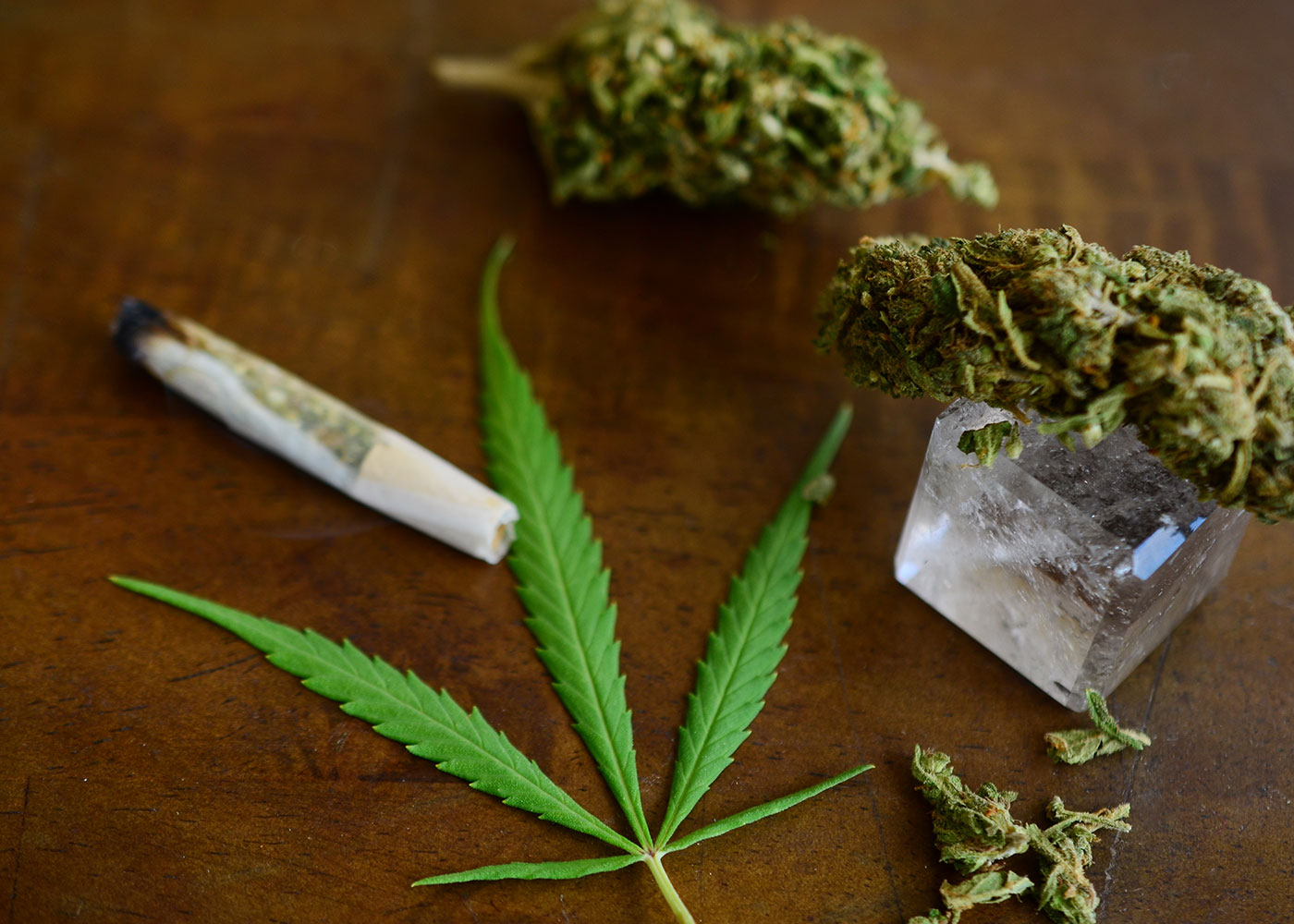
Bud: Refers to the flowering part of the cannabis plant that contains the highest concentration of cannabinoids, the psychoactive substances in marijuana.
Cultural and Regional Traditional Terms
Many other words for weed reflect the plant’s global history:
Ganja: Originating from Hindi and Sanskrit, widely known through Jamaican Rastafarian culture.
Reefer: Popularized during the jazz era of the 1930s and 1940s.
Dagga: Used in South Africa, from the Khoikhoi language.
Bhang: An edible preparation traditional in India, often consumed during religious festivals.

Modern and Product-Specific Slang Terms
High-Potency and Hype Terms
Contemporary Gen Z slang for weed often emphasizes potency:
Loud: Cannabis with a strong, pungent odor, typically indicating strong potency.
Gas: Premium quality with powerful effects, suggesting the product is highly potent.
Zaza: A newer term particularly popular among younger users, referring to high-grade cannabis.
Dank: Describes potent cannabis with rich aroma and flavor.
Fire: Straightforward slang indicating high potency product.
Sticky Icky: Cannabis with high resin content, indicating potency.
Form and Concentrate-Specific Slang
Modern cannabis products come in various forms:
Flower: Traditional dried cannabis buds.
Wax: A concentrated form with a waxy consistency and much higher THC levels [2] than flower.
Shatter: A glassy, brittle cannabis concentrate known for strong potency.
Dabs: Refers to cannabis concentrates and the method of consuming them through vaporization.
Edibles: Cannabis-infused food products.
Carts or Cartridges: Pre-filled vaporizer cartridges containing cannabis oil.
Emerging Youth and Social Media Terms
Cannabis slang evolves constantly:
420: A time (4:20) and date (April 20th) associated with cannabis culture, used as code.
Tree or Trees: A nature-based reference to the plant.
Green: A simple color reference that’s become shorthand for cannabis.
Plug: Primarily refers to a dealer or source.
Pack: Can refer to a quantity of cannabis or high-potency product.
Social media accelerates slang evolution, with new names for weed emerging continually as users find creative ways to discuss cannabis while avoiding content filters [3].
How Slang Evolves and What to Watch For
Several factors drive the evolution of marijuana street names:
Legal Status Changes: As cannabis becomes legal in more places, some terms become mainstream while new coded language emerges.
Social Media: Platforms develop content filters, prompting users to create new terms that avoid detection.
Product Innovation: New consumption methods and product types generate new terminology.
Marketing: Legal cannabis markets introduce product names that seep into everyday slang.
Regional and Generational Shifts: What’s popular with Gen Z differs from Older Generations.
For those in recovery and prevention contexts, staying current with terminology helps identify potential substance use earlier. Understanding that terms like “loud” or “gas” refer to high-potency products [2] enables more informed conversations about risk.
Tips for Staying Informed:
- Follow credible sources that track substance use terminology
- Ask open-ended questions: “What do you mean by ‘zaza’?” rather than assuming
- Recognize that context matters
- Stay curious and engaged
Practical Applications for Families and Recovery
Understanding other words for weed serves practical purposes:
For Parents: If your teen mentions their “plug” or talks about “loud,” you have context for follow-up conversations.
For Educators: Recognizing marijuana street names [4] helps identify concerning behavior and enables early intervention.
For Treatment Professionals: Hearing a client describe using “wax” or “shatter” provides important information about potency exposure.
For Family Members: Understanding terminology helps you better comprehend your family member’s experience.
At New Waters Recovery, we incorporate education about substance terminology into our family programs. Informed families are better equipped to support recovery.
Summary and Key Takeaways
There are hundreds of slang names for weed, from classic terms like pot, grass, and Mary Jane to modern nicknames like loud, zaza, and gas. Understanding these other words for weed matters for families, educators, and treatment professionals who need to recognize conversations about cannabis use [5].
Marijuana street names reflect changes in product potency, form, culture, and legality. Premium potency is indicated by terms like loud, gas, or fire. Product forms have specific terminology: flower refers to dried buds, while wax, shatter, and dabs [2] describe concentrated products with much higher potency.
Slang reflects significant shifts in cannabis products, potency, and accessibility. For those in recovery settings, recognizing the difference between “flower” and “wax” provides crucial information about potency exposure.
At New Waters Recovery, we help individuals and families understand these changes in language so they can better communicate and make informed decisions about cannabis use. We incorporate substance use terminology education into our family support programs because knowledge reduces barriers to honest conversation.
Stay curious and open-minded. Cannabis slang changes rapidly. What matters most is maintaining open communication, asking questions when you hear unfamiliar words, and staying engaged with credible educational resources.
Frequently Asked Questions
Sources
[1] Drug Enforcement Administration. (2018). Slang terms and code words: A reference for law enforcement personnel (DIR-022-18). https://www.dea.gov/sites/default/files/2018-07/DIR-022-18.pdf
[2] National Institute on Drug Abuse. (2020). Marijuana concentrates (dabs). https://nida.nih.gov/sites/default/files/df-marijuana-concentrates.pdf
[3] Centers for Disease Control and Prevention. (2024). Cannabis and public health. https://www.cdc.gov/marijuana/
[4] National Institute on Drug Abuse. (2024). Teachers: Classroom resources on drug effects. https://nida.nih.gov/research-topics/parents-educators/teachers
[5] National Institute on Drug Abuse. (2024). Cannabis (marijuana) drug facts. https://nida.nih.gov/publications/drugfacts/cannabis-marijuana
New Waters Recovery Editorial GUIDELINES
At New Waters Recovery, we take your health and wellness seriously. We have a thorough process in place to ensure the integrity of information that is displayed on our website. All content published to our site undergoes a rigorous medical review by a doctorate level clinician to ensure medical accuracy. Read More About Our Process